Brew Potions in Magic Loot
Craft the right brews at the right time so ingredients translate into faster magic and cleaner boss kills.
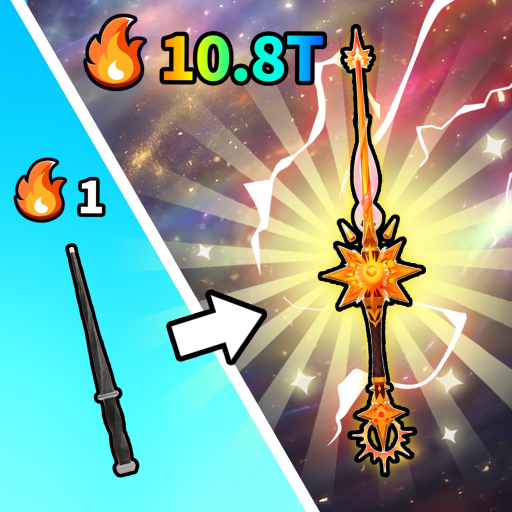
Potions are the accelerant in Magic Loot’s loop. Training raises baseline magic, bosses drop rare loot, upgrades and rebirth stretch your ceiling—but brewing converts scattered ingredients into timed power spikes that compress hours into minutes. Without a plan, you craft everything in the menu once and wonder why your inventory is empty while progress stalls. This guide explains how to brew with purpose during Beta, tie crafts to bosses and training sessions, and avoid the waste patterns new players repeat in Magic Magic +1 +1 +1’s incremental world.
If you have not mapped the full loop yet, start with How to Play. Return here once you pick up ingredients faster than you spend them, or when boss attempts fail because you saved potions for a mythical “later.”
Named brew players search most right now: Dragon Breath. Combat bottles need drink + Replace Skill — full flow on Equip Potion Spells. Expand bags with Collection Index before long material farms.
Verified Alchemy formulas (Gold)
These three early recipes are documented with ingredients and Gold costs. Star a formula so dungeon arrows highlight missing mats. Re-read the live cauldron after every Updates hotfix.
| Formula | Ingredients | Alchemy cost |
|---|---|---|
| Rocket Spell | Blueberry ×1, Withered Mushroom ×1 | 9 Gold |
| Long-long Arm | Golden Tooth ×1, Goblin Finger ×1 | 18 Gold |
| Water Orb | Goblin Finger ×1, Dwarf Emblem ×1 | 27 Gold |
Pick drops by hand. Log new types in Collection Index before selling Goblin Finger or Dwarf Emblem stacks.
What potions do (role-based, not stat spam)
Beta potions generally fall into a few roles:
- Training speed — More magic per minute while you stand in train zones.
- Boss damage or survivability — Shorter fights, fewer wipes, faster loot cycles.
- Drop luck or quality — Better rare outcomes during farm windows; pair with Get Rare Loot.
- Hybrid or luxury brews — Strong but expensive; save for milestone pushes or rebirth rebounds.
We do not list invented +300% numbers. Read tooltips in-game and compare against the Potion Tier List for craft priority.
Ingredient habits that scale
Ingredients arrive from bosses, training zones, vendors, and events. Treat gathering as parallel to your main activity:
- Pick up everything while learning routes — Early game teaches spawn locations; refine later using Players / Items.
- Bank for two brew types — One training, one boss. Flex slots later.
- Craft before sessions, not during — Menu time burns potion duration on some incrementals.
- Sell or recycle low-tier junk — Inventory pressure causes bad crafts; align with Loot Tier List sell rules.
When developers add new zones, ingredient maps change—watch Updates after patches.
Crafting order for typical Beta accounts
Phase 1 — First boss push: Craft whatever boss survivability or damage brew you can afford. One successful kill unlocks loot that beats ten training potions.
Phase 2 — Training rebound: After bosses stabilize, shift crafts toward training speed for magic gates. See Train Magic Fast.
Phase 3 — Farm windows: When rare drops matter, craft luck-oriented brews during dedicated farms—not while casually questing.
Phase 4 — Rebirth prep: Stock rebound brews before confirming reset in How to Rebirth.
Adjust phases if the Early Build Guide recommends a different milestone order for your patch.
Uptime stacking without waste
Chain buffs intentionally. Drink training potions when you can stay in-zone for the full duration. AFK in hub menus while a timer ticks is a common Beta mistake.
Boss brews start at the door. Pop damage or defense potions when you commit to the attempt, not after you wipe once.
Do not double-dip roles you cannot feel. If tooltips overlap, test one brew at a time for a few minutes instead of burning three at once.
Mobile sessions favor short brews. Long-duration potions shine on PC grinds; touch players benefit from cheaper recipes—input tips on Controls.
Potions and other systems
Bosses: Beat Bosses should list which brew role fixes your current wall—damage, defense, or mechanics time.
Rebirth: Multipliers change whether training or boss brews win. Re-test after each reset.
Codes: Promo rewards sometimes grant potions or ingredients when active. Redeem through Settings gear (Codes). Eurogamer (August 12, 2026) listed UPD2 (Super Lucky Potion) and admin abuse1 (Super Training Potion)—try them, then drink training bottles on pads and luck bottles on loot sessions, not as auto-slotted spells.
Monetization: If robux brews exist, treat them as optional shortcuts, not mandatory progression—Review discusses Beta value honestly.
Crafting mistakes to avoid
Crafting every recipe once for collection. Completionism drains mats needed for real pushes.
Saving potions until endgame. Mid-game bosses gate loot; hoarding leaves power on the table.
Ignoring ingredient tier notes. Some mats craft luxury brews only; others sustain daily training.
Using scripts to auto-brew. Scripts risk moderation and teach bad timing habits.
Advanced planning
When Tools calculators arrive, use them to compare ingredient cost per minute of buff time. Until then, keep a simple log: note magic gained during one training potion versus one session without. Personal benchmarks beat rumor charts.
Join community channels linked on Wiki to share ingredient routes after patches—always verify personally before deleting rare mats.
Staying honest in Beta
Potion recipes and durations are hotfix magnets. A brew that dominated launch week may be normalized later. Cross-check tooltips after Updates posts and re-run a five-minute A/B test. This guide focuses on roles, timing, and loop integration so you stay productive even when exact numbers shift.
Brew potions to support decisions you already made—boss attempts, training blocks, farm routes—not to substitute for those decisions. That discipline keeps Magic Loot fun instead of turning crafting into a slot machine.
Frequently Asked Questions
Quick answers drawn from the Magic Loot loop.
When should I start brewing potions?
As soon as you have ingredients and a clear goal—usually your first serious boss attempt or a training block toward the next magic gate.
Which potion should I craft first?
If bosses block progress, prioritize boss damage or survivability brews. If training is slow but bosses are easy, prioritize training speed potions.
Where do potion ingredients come from?
Boss drops, training zones, and vendors during Beta. Check Players item pages and Updates after patches for new sources.
Do potions work after rebirth?
Yes, but rebirth multipliers can change which brew role gives the best return. Re-test training versus boss potions after each reset.